Measles Deaths Reported in Pennsylvania and Wisconsin
Measles Deaths Reported in Pennsylvania and Wisconsin as U.S. Toll Reaches at Least 10
Reports describe two additional measles-associated deaths in the United States: one in Pennsylvania and one in Wisconsin. Based on the supplied coverage, the deaths brought the reported U.S. measles death toll for the year to at least 10.
A separate report says Pennsylvania has recorded its seventh measles-related death. State and federal totals may change as health departments complete investigations, review medical records, update death certificates, and reconcile reporting systems.
The supplied reports provide few details about the victims, including their ages, locations, medical histories, vaccination status, dates of death, or the specific circumstances. Those details should not be inferred from the reported totals.
What Happened in Pennsylvania and Wisconsin?
Pennsylvania Reported Its Seventh Measles-Related Death
Pennsylvania was reportedly responsible for one of the newly reported deaths and was separately reported to have reached seven measles-related deaths. The supplied report does not identify the person who died or provide information about age, county, underlying conditions, vaccination history, or the precise cause of death.
Until health officials publish additional findings, responsible reporting should use terms such as “measles-related” or “measles-associated” rather than make unsupported claims about whether measles directly caused the death or contributed through a complication.
Wisconsin Reported an Additional Death
Wisconsin was also reported to have recorded a new measles-associated death. Available summaries do not identify the victim or provide details about age, location, timing, medical circumstances, or vaccination status.
The exact Wisconsin and national totals should be checked against the latest updates from the Wisconsin Department of Health Services, other relevant health departments, and the Centers for Disease Control and Prevention (CDC).
The National Death Toll Reached at Least 10
The supplied coverage says the two additional deaths raised the U.S. measles death toll for the year to at least 10. The qualifier “at least” is important because totals can change when:
- State health departments complete investigations.
- Medical records are reviewed.
- Death certificates are updated.
- Officials determine whether measles caused death directly or contributed to a fatal complication.
- State and federal reporting systems reconcile different reporting dates.
The supplied links route through Google News rather than directly to the original publications. Official state and federal releases should be consulted before the figures are used in clinical guidance or presented as final.
Why Measles Deaths Matter
Measles is one of the most contagious infectious diseases. It spreads when an infected person breathes, coughs, or sneezes. The virus can remain in an indoor area for a period after an infected person leaves, allowing susceptible people to become exposed without prolonged face-to-face contact.
Many people recover from measles, but the infection can cause serious complications, including:
- Pneumonia.
- Dehydration.
- Ear infections.
- Encephalitis, or inflammation of the brain.
- Severe respiratory illness.
- Death.
Infants, young children, pregnant people, and individuals with weakened immune systems may face higher risks. Risk also varies with age, underlying health conditions, access to treatment, and the severity of complications.
A measles-related death does not mean every infected person will have the same outcome. It does show that measles can become life-threatening, particularly when complications develop or vulnerable people are exposed.
Outbreaks and Community Immunity
Measles transmission is easier to sustain when too few people are protected. Gaps in community immunity may result from missed routine vaccinations, delayed care, limited access to health services, misinformation, or incomplete records.
International travel and large gatherings can introduce measles into communities. An imported infection may spread rapidly if it reaches people who are unvaccinated or otherwise susceptible.
A vaccination-coverage gap can help explain why an outbreak grows, but it does not establish the cause of an individual death. Each death requires an independent medical and public health review.
The Broader U.S. Measles Situation
The supplied reporting describes ongoing measles outbreaks in several states but does not provide a verified, complete list of affected states or a current national case count. Those figures can change as laboratories and health departments confirm cases and remove duplicate reports.
Public health agencies generally monitor:
- Confirmed and probable cases.
- Hospitalizations and deaths.
- Exposure locations.
- Household and community transmission.
- Links between cases.
- Vaccination and immunity information.
- Whether transmission is imported or sustained locally.
Readers should rely on current state health department notices and CDC updates for the latest figures.
Measles-Elimination Status Claim Requires Verification
A report attributed to Contagion Live says the United States lost its measles-elimination status after 26 years. The supplied summary dates that report to November 14, 2026. Because the date and the underlying claim require confirmation, they should not be presented as established fact without checking official sources.
Measles elimination does not mean imported cases can never occur. It generally means continuous, year-round transmission has been interrupted within a defined geographic area. A country can experience imported cases while maintaining elimination status if local transmission does not continue beyond the relevant period.
If elimination status is lost, that would indicate sustained transmission during the relevant monitoring period. It would not mean measles suddenly appeared in the United States or that every outbreak arose from the same chain of infection.
The reported deaths in Pennsylvania and Wisconsin should not be described as directly caused by any national elimination-status decision unless health authorities establish a specific epidemiological connection.
Symptoms and Exposure Guidance
Common measles symptoms include:
- High fever.
- Cough.
- Runny nose.
- Red or watery eyes.
- A rash that often begins on the face and spreads downward.
Measles can resemble other respiratory infections in its early stages. People should not wait for a rash before seeking advice after a high-risk exposure.
Anyone who develops a fever, respiratory symptoms, or a rash after possible exposure should call a health care provider or local health department. Call ahead before visiting a clinic, urgent care center, emergency department, school, workplace, or other public setting. Unannounced arrival can expose infants, pregnant patients, immunocompromised people, health care workers, and other visitors.
Seek urgent medical advice for:
- Trouble breathing.
- Severe dehydration.
- Confusion or seizures.
- Extreme weakness.
- Persistent or worsening fever.
- Reduced responsiveness.
- Signs of serious illness in an infant.
Vaccination and Prevention
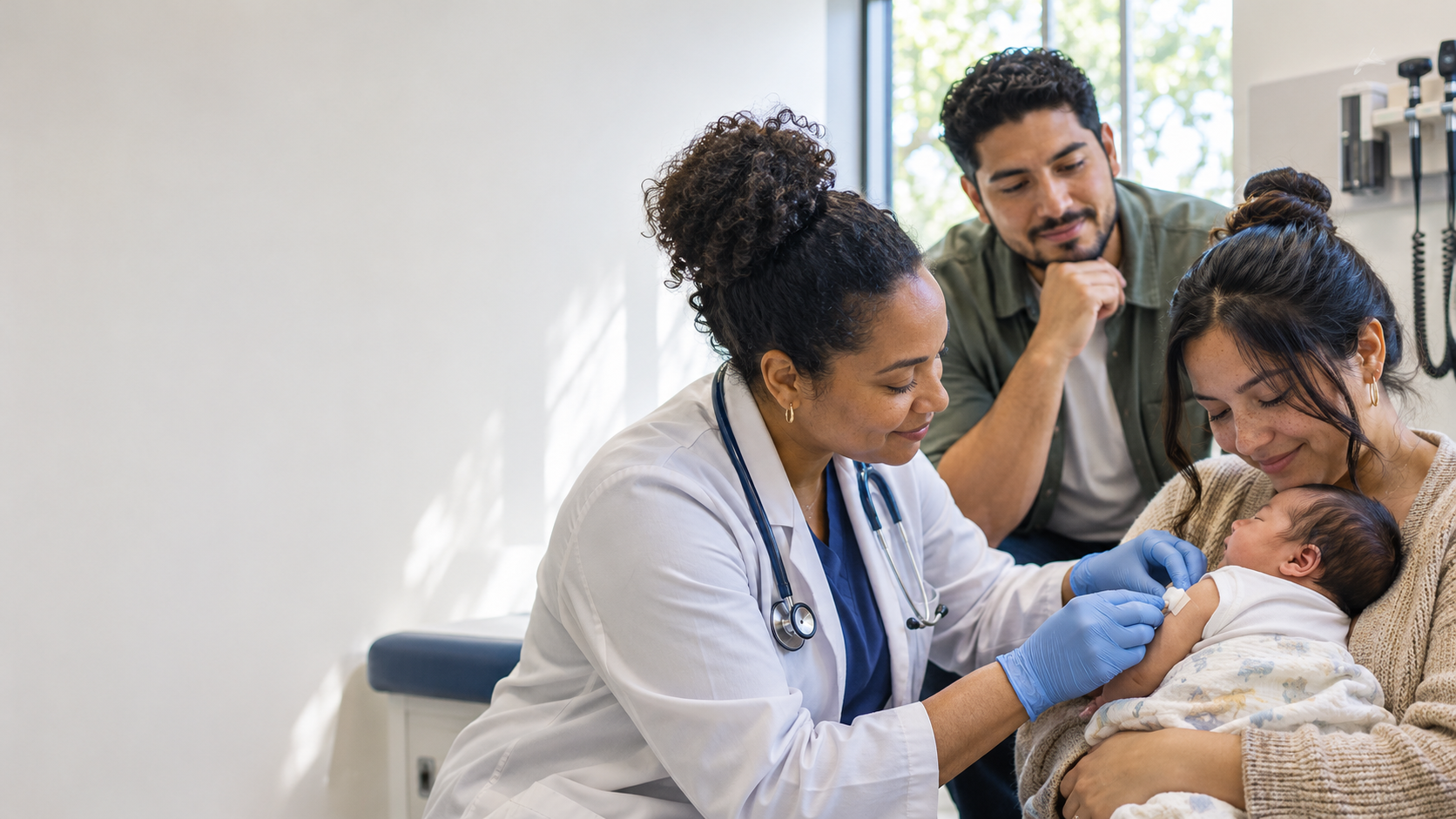
The measles, mumps, and rubella (MMR) vaccine is the primary protection against measles. Recommendations depend on age, health status, pregnancy status, travel plans, previous doses, and documented immunity.
People should review immunization records through a primary care provider, pediatrician, pharmacy, state immunization information system, or applicable school or employer health office. Anyone who cannot find their records should ask a qualified health professional what documentation, vaccination, or testing is appropriate.
During an outbreak:
- Avoid close contact with people who have suspected or confirmed measles.
- Monitor for fever, cough, runny nose, red eyes, and rash after possible exposure.
- Stay home and call a medical provider if symptoms develop.
- Do not attend school, work, public events, or health care facilities without instructions.
- Follow isolation, testing, vaccination, and contact-monitoring guidance.
What Remains Unknown
The supplied summaries do not establish:
- The exact dates of the deaths.
- Complete confirmed measles case counts in either state.
- Whether measles directly caused the deaths or contributed through complications.
- The victims’ ages or other demographic details.
- Underlying medical conditions.
- Vaccination or immunity status.
- Links to known outbreak clusters.
- The locations and timing of possible exposures.
Responsible reporting should not infer these facts from the death totals. State and federal health authorities may update their findings as investigations continue.
Conclusion
The supplied coverage describes additional measles-associated deaths in Pennsylvania and Wisconsin and says the U.S. measles death toll for the year reached at least 10. The totals remain subject to official review and revision.
Measles remains preventable through vaccination, early detection, exposure notification, and rapid public health response. People should verify immunization records, follow official notices, and seek personalized advice from qualified health professionals. Anyone who suspects measles should contact a health care provider or local health department before arriving at a medical facility.